
What a slab leak is and why it happens
A slab leak is a break or pinhole in a pressurized water line that sits in or beneath a concrete slab. This page applies if your home is on a slab. If your home sits on a crawlspace or pier and beam, the same supply lines run in an open space and the search looks different, as described under finding hidden leaks.
Lines under a slab fail for a few common reasons. Constant pressure and heat cycles wear on metal, and a hot water line expands and contracts every time it is used. Rough edges of gravel or concrete can rub through a pipe wall over years. Chemical reaction between water and metal can thin a pipe from inside. A shifting slab can bend or kink a line.
We do not have information about pipe materials or soil in Cibolo homes, so we do not guess. Much of Cibolo's housing is relatively recent, as the city grew from 3,035 residents in 2000 to 32,276 in the 2020 Census. A newer home is not immune, but the plumber looks at the actual pipe, not the age of the neighborhood.
Signs of a leak under the floor
These are the symptoms people notice most. One alone can have a simpler cause, but two or three together point strongly at a leak under the slab.
- A warm or hot spot on the floor, often on tile or hardwood, that is not near a vent or sunny window
- The sound of running or hissing water when every fixture is closed
- A water bill that jumps without any change in how you live
- A water meter that keeps moving with everything off
- Damp carpet, a wet baseboard or a puddle that appears with no clear source
- Cracks in tile or grout that were not there before
- Hot water that takes much longer to arrive, or lower hot water pressure than cold
A leak on the hot line is the easiest to feel because it warms the concrete. A leak on the cold line can be quieter, so the meter and the sound of water tend to be the first clues. Mold or a musty smell is a later sign, and by then moisture has been working for some time.
Slab leak emergency: what to do first
Treat it as an emergency if water is coming up through the floor, if a floor spot is hot enough to feel uncomfortable or if moisture is near electrical outlets or the breaker panel. Close the main valve, turn off the water heater at its breaker or gas control only if it is safe to reach, and call. Our line is open nights, weekends and holidays, and a licensed plumber is dispatched for same-day appointments when available.
A slow leak that you can contain by closing the main valve can often wait for a daytime visit. Leaving the main valve closed overnight is a reasonable stopgap, but it is not a repair. Water under a slab can undermine soil and soak flooring from below, so the sooner the line is found and fixed, the less repair work follows.
Stay off a warm spot in bare feet. Hot water lines can run hot enough to scald, and a wet floor above one is a slip risk.
How the leak gets located before anything is opened
A plumber does not break up concrete on a hunch. The goal is to find the leak within a small area, usually a patch of a few feet, then open only that. Several methods work together.
Acoustic listening comes first. A sensitive ground microphone picks up the sound of water escaping a pressurized line, and the plumber moves along the floor to find the loudest point. This works best when the house is quiet and the water is on.
Pressure isolation of the hot and cold lines tells you which one leaks. The plumber closes valves to separate the hot side from the cold side, applies pressure and watches the gauge. A falling needle on one side points to that line and rules out the other.
Thermal imaging shows warm patterns on the floor surface when a hot line is leaking below. A moisture meter confirms damp areas on flooring or baseboards. Neither tool is proof by itself, but they narrow the search and cross-check the listening result.
Honest limits of slab leak detection
No tool finds every slab leak on the first pass. Thick concrete, flooring, rugs and background noise dull the sound. A leak near a plumbing fixture can be confused with a leak in the fixture itself. Occasionally the plumber narrows it to a zone, not a single spot, and says so.
If the answer is unclear, the plumber should tell you what was ruled out and propose the next step. A confident guess followed by a hole in your slab is exactly what you want to avoid, and you hear the price before work starts.
Three ways to repair a slab leak
There is no single correct fix. Each path has real trade-offs, and the right one depends on the location of the leak, the condition of the pipe and what the floor above is made of.
| Repair path | How it works | Trade-offs |
|---|---|---|
| Direct access repair | The plumber opens the slab above the leak, cuts out the damaged section and splices in new pipe | Fixes the exact spot and is often the most direct. It means concrete work, floor repair and dust, and other weak spots in the same line may fail later |
| Reroute through walls or attic | The leaking line is shut off at the slab and a new line is run overhead or through the walls to the same fixtures | Avoids cutting the floor and leaves the old line abandoned. It means opening wall and ceiling sections and patching drywall, and a long run costs more than a short one |
| Lining or other trenchless method | A resin lining or similar method restores the pipe from inside, where the pipe and layout suit it | Can reduce digging. It does not fit every line, depends on the pipe condition and access, and the plumber has to confirm it is appropriate |
If one leak has already appeared, ask the plumber about the rest of the line. A line that has failed once may fail again, and in that case rerouting or a broader repipe of that line can cost less over time than repeated floor repairs. That is not always true, so the decision comes down to what the plumber finds and the price you are quoted.
Hot spot on the floor or a meter that will not stop?
Call the 24/7 line. A licensed plumber is sent out, and you hear the price before work starts.
Permits and your insurance
Permit rules vary, so ask the City of Cibolo building department before work that opens a slab or reroutes a line. The City enforces the 2021 International Plumbing Code (IPC), and a repair that changes pipe layout should follow it. Your plumber can explain what they plan to do so you can ask the right question.
Insurance is worth a call before work starts. Many homeowners policies cover sudden and accidental water damage, but they may not cover the cost of finding the leak, getting access to it or repairing the pipe itself. Coverage for tear-out of flooring or concrete varies by policy. Ask your insurer what applies, and keep photos, invoices and meter readings.
What affects the price of slab leak repair
Where the leak sits
A leak in an open hallway is easier to reach than one under a kitchen island or a tiled bathroom.
Floor repair after the plumbing work is a separate cost from the pipe repair, and not every plumbing visit includes it. Ask what is covered before work starts. You get a clear price before work starts, and if the plumber finds something different once the slab is opened, you hear it before anything else is done.
What to do before the plumber arrives
Close the main valve
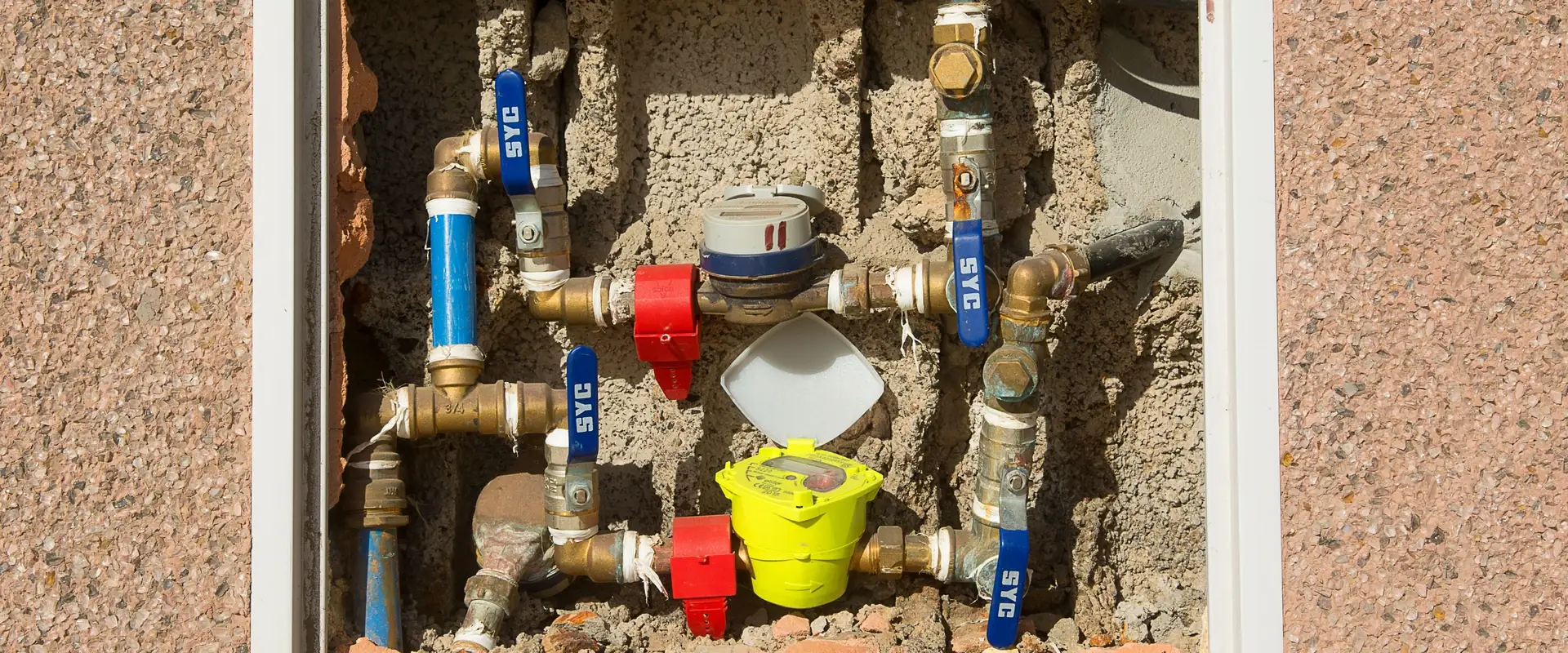
Turn it clockwise until it stops. Open one faucet briefly to drain pressure, then close it again.
Check the meter
Note the reading and whether the low-flow indicator moves. That tells the plumber how fast water is leaving.
Clear the floor
Move rugs, furniture and boxes from the suspected area so the plumber can listen on bare floor.
Quiet the house
Turn off the washer, dishwasher, ice maker and any noisy appliances during the visit so the listening gear can pick up the leak.
A slab leak and the Cibolo water bill
Cibolo has two water providers, the City of Cibolo and Green Valley SUD, and which one bills you depends on your address. According to the City, its My Water Advisor portal shows a leak drop icon when the meter has not idled for 3 consecutive hours in a 24 hour period. If you are a City customer and the icon is on while you cannot explain the usage, that fits a hidden leak.
The City also has a leak adjustment process. After a repair, a discount can apply to the consumption charge. It is not full forgiveness, and usage has to return to normal, which can take up to two billing cycles. You submit the City's form plus repair receipts to City Hall, so keep the plumber's invoice. If GVSUD bills you, call them about their policy.
We also dispatch to Universal City and Converse, where the same steps apply. For a burst or fast-moving break, see burst pipe repair.
Common questions about slab leaks
Suspected slab leaks are taken on the line at any hour, weekends included, and a licensed plumber is dispatched with same-day appointments when available. The dispatcher will not set an arrival time, but will ask about warm spots on the floor, the sound of running water, and a meter that keeps turning.
Turn off the main valve if you hear water under the floor or see damp flooring. Repair options and a clear price are laid out before anything is cut.
Look for a house with no crawlspace hatch and no raised floor, where the first floor sits close to the ground. Your closing paperwork or builder documents may say. If you are unsure, tell the dispatcher what you see and the plumber confirms on site.
No. Direct access is one option. Rerouting the line through the walls or attic avoids cutting the floor, and lining or other trenchless methods may suit some lines. Each has trade-offs, which the plumber explains before work starts.
It depends on the policy. Many cover sudden and accidental water damage, but pipe repair, leak finding and access costs vary. Ask your insurer before work starts and keep photos and invoices.
For one night, usually yes if the house can go without water. It stops the loss and the damage. It is a stopgap, and the leak still needs to be found and fixed, so call the same day if you can. See leak detection for how the search works.
Not exactly. A slab leak is often slow and hidden. A burst pipe is sudden and usually forceful. Both can happen under a floor, and both are urgent.