
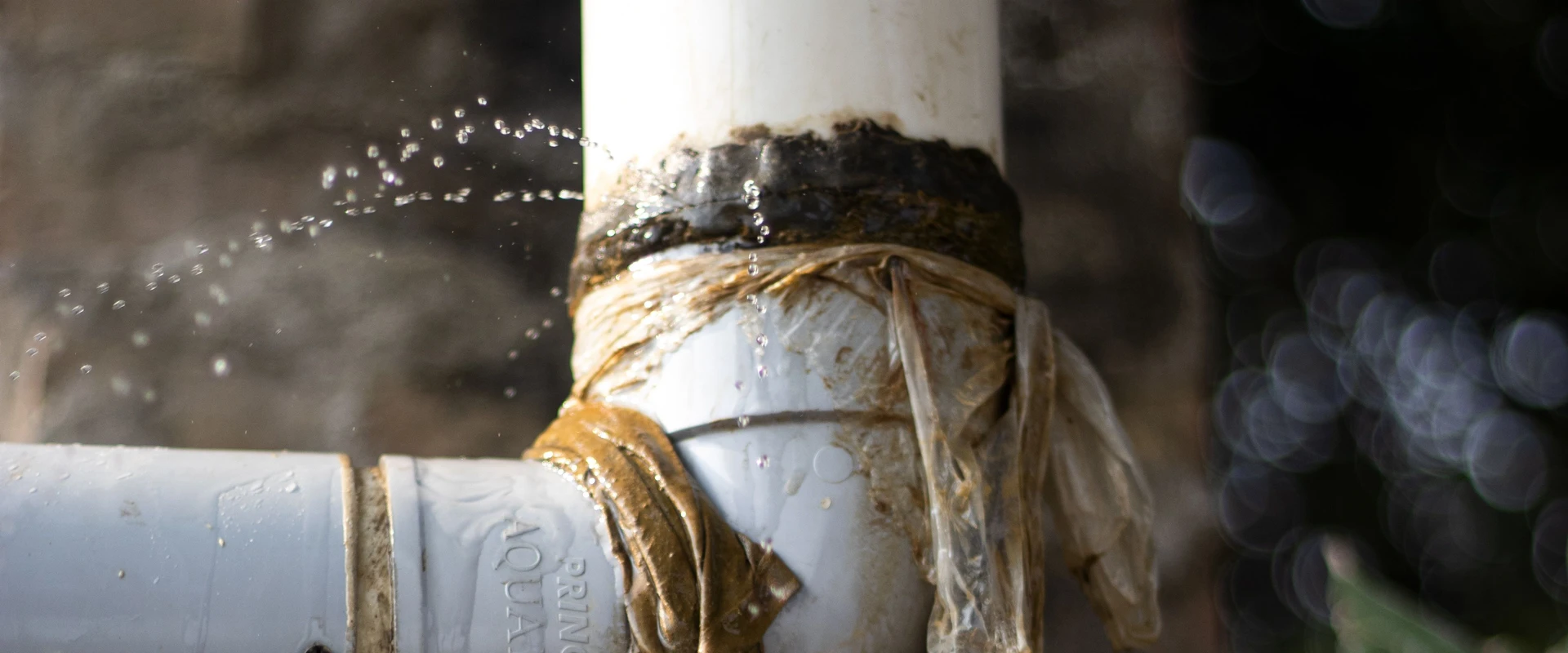
Finding a hidden water leak in Cibolo, TX
Leak detection in Cibolo, TX means locating a leak in a pipe you cannot see, whether it runs under a slab, inside a wall, above a ceiling or beneath the yard. A visible drip under a sink is a repair. A hidden leak is a search problem first, and the answer to that search decides how much of your house has to be opened.
Water does not stay where it escapes. It follows the pipe, runs along framing and soaks into insulation or soil before it shows up as a stain or a soft patch. So the wet spot you notice is often several feet from the actual hole, and cutting there usually finds nothing.
That is the reason to pay for finding the leak first. A pinhole in a pressurized copper line can lose a surprising amount of water over a month, and the bill is the first thing to move. The sooner the search starts, the less damage the drywall, flooring and framing have to absorb.
Signs that water is escaping where you cannot see it
Most hidden leaks announce themselves in more than one way. One sign alone can have a boring cause, but two or three together point to a leak in the pipes.
Bill jumps with no change at home
Water passes the meter all day and night, so the charge climbs even when nobody is using more.
Running water sound in a quiet house
A hiss or trickle at night, when every fixture is closed, often means pressurized water is escaping from a pipe.
Warm patch on the floor
A hot water line leaking under a floor can heat the surface above it. Bare feet notice it before eyes do.
Musty smell or visible mold
Damp drywall, carpet or insulation grows mold in days, and the smell shows up before any stain.
Low or uneven water pressure
A leak diverts flow before it reaches the fixtures, so pressure drops at the far end of the house.
Paint bubbling, stains or soft flooring
Moisture is working through a wall or ceiling surface from behind.
None of these proves a leak. A toilet flapper or a running irrigation zone can produce the same bill. That is why the first step is to rule out the simple causes with the meter, which is covered a little further down the page.
How a plumber finds a leak without tearing things open
Leak detection is a set of methods, and a good visit uses more than one. Each method answers a different question, and none of them is magic. The plumber picks the order based on what you describe.
Electronic acoustic listening is the workhorse. A sensitive microphone or ground sensor picks up the hiss or vibration that water makes as it escapes a pressurized pipe. The plumber moves along the suspected line and listens for the loudest point. Metal pipe carries sound well, while plastic pipe carries it poorly, which is one reason results vary.
Pressure testing isolates a line. The plumber closes valves to separate one section, such as the hot side or a branch to a bathroom, applies pressure and watches the gauge. If the needle falls, that section leaks. If it holds, the leak is somewhere else, and the search narrows by elimination.
Thermal imaging reads surface temperature. A camera shows cool or warm patterns that can mean moisture in a wall, ceiling or floor, or a hot line leaking under a slab. A moisture meter then confirms the reading on the surface. Thermal images suggest, and the meter and the listening gear confirm.
In some cases a plumber uses tracer gas, a harmless gas mix pushed into an emptied line that escapes at the leak and is picked up by a sensor above it. It helps on stubborn leaks when listening fails. It adds equipment and time, so it is not the first tool.
Honest limits of leak detection
No method finds every leak every time. Background noise from traffic or an air conditioner can mask the sound of a small leak. Deep or insulated pipe dulls a signal. A leak that only runs when a pump or zone valve is on can look quiet during the test.
When the first pass is inconclusive, the plumber tells you so, and the next move is another method, not a guess. Ask what was ruled out and what was found. A clear answer matters more than a confident one, and you hear the price before work starts.
The water meter check, in a few minutes
You can learn a lot before anyone arrives. Close every tap, stop the dishwasher and washer, and make sure nobody flushes. Then look at the low-flow indicator on your meter. If it keeps turning, water is moving somewhere between the meter and your fixtures.
Next, close your home's main shutoff valve and look again. If the indicator stops, the leak is on the house side of that valve. If it keeps turning, the leak is on the line between the meter and the valve. That one fact tells the plumber which part of the property to start with.
Meter moving with every tap closed?
Call the 24/7 line and tell the dispatcher what the indicator does. You get a clear price before work starts.
Leaks in ceilings and walls
A stain on a ceiling is the classic emergency, because water collecting above drywall can bring down a section without warning. If the ceiling sags or bulges, keep people out from under it.
The source is above the stain. It may be a supply line, a drain line, a shower pan, an air conditioner condensate line or a roof leak that only looks like a plumbing leak. A plumber separates these by pressure testing the supply lines and checking whether the stain grows when no one is using water or when it has not rained.
Wall leaks are harder to read because water can travel down inside the wall cavity and show up near the floor. A moisture meter and a thermal image trace the wet area upward, and the plumber opens the smallest access hole that reaches the pipe.
Under the house and crawlspace leaks
If your home has a crawlspace or a raised floor, supply and drain pipes often run underneath where you cannot see them. A leak there may show as damp insulation, a sagging subfloor, a musty smell or a floor that feels soft near a wall. If your home sits on a slab instead, those same lines run in or under the concrete, and the work looks different, as described on the slab leak repair page.
In a crawlspace, the plumber can often see and hear the pipe directly. Dripping, mineral crusting on joints and wet insulation point to the spot. Wear protective gear if you go down yourself, and do not enter if the space is flooded and there are electrical lines near the water.
Buried yard lines and the line from the meter
Between the meter and the house, a buried line carries all of your water. A leak here can run for a long time because the water simply soaks into the ground. Signs include a wet or unusually green strip in the lawn, a soft spot with no rain, a low point that stays muddy, or a meter that runs with the main valve closed.
Finding it is a mix of listening at the meter box and at valves along the likely route, then pressure checks on the line. Once the spot is found, the repair is covered under water line repair, and the plumber explains whether the fix is a short section or a longer run.
Buried utility lines can run near a service line, so do not start digging on your own. Ask the plumber or your utility about having buried lines marked. Who owns which piece of the service line depends on the utility, so ask yours before assuming a repair is your cost or theirs.
Irrigation leaks
Sprinkler systems leak quietly. A cracked riser, a broken head, a bad valve diaphragm or a split lateral can run during every cycle and add up to a high bill. Signs include soggy patches, geysers at the head, low pressure in a zone and a valve that never fully closes.
To separate irrigation from the house plumbing, turn the controller off and shut the irrigation supply valve, then check the meter again. If the indicator stops, the leak is on the irrigation side. Many irrigation lines are shallow, so repairs are often a short dig and a new fitting.
Multi-unit and commercial property leaks
Rental buildings, small offices and shopping units add a few wrinkles. Water usually runs through shared risers, so a leak in one unit can show up as a stain in the unit below, and the cause may be in a wall that belongs to neither tenant. The plumber isolates risers and branches with valves, then tests each section.
If you manage a building, tell the dispatcher how many units share the line and where the main shutoff is. Commercial properties may also have backflow devices, fire lines or larger meters that call for their own approach. Describe the layout on the call and the plumber plans from there. Larger commercial work can also fall under commercial plumbing.
Pool and spa plumbing
We should be straightforward here. A leak in the plumbing lines that serve a pool or spa, such as the supply line, the return line or the equipment pad, is something a plumber can often test and locate. A leak in the pool shell itself, the liner or the structure, is a different specialty that belongs to pool contractors.
If you are not sure which one you have, say so when you call and ask the dispatcher whether your situation fits. That saves you a visit that cannot solve the problem.
When a hidden leak is an emergency
Treat a leak as an emergency when water is on a ceiling, near a breaker panel or outlet, spreading across a finished floor or running with no way to stop it at a fixture. Shut off the main valve first, then call. Our line is open nights, weekends and holidays, and a licensed plumber is dispatched for same-day appointments when available.
A slow leak that you can control by closing the main valve can often wait for a daytime visit, but waiting still costs. The longer drywall and subfloor stay wet, the more likely mold and rot become. Calling the same day, even if the appointment is the next morning, is almost always cheaper than watching it.
What affects the price of finding a leak
Where the pipe runs
A visible crawlspace line is quicker to check than a line under a slab or in a finished wall.
Finding the leak is separate from repairing it, and the repair has its own price. Many homeowners policies cover sudden and accidental water damage but not wear or a leak that went on for months. Some policies cover the cost of accessing a leak and some do not, so ask your insurer before you assume either way. You get a clear price before work starts.
What to do before the plumber arrives
Close the main valve
Turn the main water valve clockwise until it stops. If you cannot find it, tell the dispatcher and they will help you locate it.
Note the meter
Write down the register reading and whether the low-flow indicator is turning, then check again in fifteen minutes.
Protect and photograph
Lift rugs and boxes off wet floors and take photos of stains for your records and your insurer.
Clear the way
Open access to the meter box, the water heater closet, crawlspace hatch and any wall or ceiling that looks affected.
What Cibolo's utility tools can tell you
According to the City of Cibolo, its My Water Advisor portal shows a leak drop icon when the meter has not idled for 3 consecutive hours within a 24 hour period. If the icon is on and you cannot explain it, treat it as a real signal and go through the steps above. If your bill comes from Green Valley SUD, check with them about their own tools.
The City also has a leak adjustment process. After a repair, it can discount the consumption charge, but it is not full forgiveness, and usage has to return to normal first. You send the City's form with your repair receipts to City Hall, so keep the plumber's invoice.
The City of Cibolo enforces the 2021 International Plumbing Code (IPC), and permit rules vary, so ask the City of Cibolo building department before work that opens walls or floors. We also take leak calls in Schertz and Selma, where the same steps apply.
Common questions about leak detection
The line is open all night and all weekend for suspected leaks, and a licensed plumber is dispatched with same-day appointments when available. Since no arrival time is offered, use the wait to read your water meter, turn off every fixture, and see whether the dial still moves, then tell the dispatcher what you saw. If water is visibly spreading, close the main valve first. A clear price is given before any listening gear or wall opening begins.
Often, yes. Listening gear, moisture meters and thermal imaging narrow a leak to a small area before anything is opened. If a section does have to be opened, the access hole is kept as small as the repair allows. The plumber tells you the plan first.
A warm floor spot, a running sound in a quiet house or a meter that moves with everything off can all point to a line under the floor, if your home is on a slab. A plumber confirms it by testing. The repair options are laid out under fixing a leak in the slab.
It often can. The plumber checks the meter, listens along the likely route and pressure tests the line. Repairs on that line are covered in replacing or patching the service line, and buried lines can be nearby, so do not dig on your own.
No. Water supply leaks are pressurized, and sewer leaks are not, so they need different methods. A camera is the right tool for drains, as explained under camera inspection of the sewer.
We can often test the plumbing lines tied to a pool or spa. A leak in the pool shell is a different specialty. Ask the dispatcher whether your situation fits before a visit is set.